

Blog / Heath Toyota Service

Blog

All Heath Toyota Service Heath Toyota Dealer Toyota Dealer Near Columbus, OH 2024 Toyota Models 2025 Toyota Models Licking County, OH Community Coughlin Toyota Service Trims and Features 2026 Toyota Models Service Tips Vehicle Financing in Heath, OH 2023 Toyota Models 2026 Toyota SUV Coughlin Toyota Family Car Toyota Corolla Hatchback Toyota RAV4 Toyota Camry Toyota Corolla Toyota Crown Toyota Highlander Toyota Tundra 2026 Toyota Grand Highlander vs 2026 Toyota Highlander Brake system Dashboard Lights Equity Car Loan Finance Oil Change Restaurants in Heath, OH Service Toyota Hybrid Battery Toyota Hybrid Models Toyota Maintenance Schedule Toyota Pre-Collision System Toyota Safety Toyota Service Checklist Toyota Sienna Toyota Sienna vs Highlander Toyota Winter Maintenance Toyotathon
Spring Maintenance Coughlin Toyota

Spring Toyota Maintenance Schedule in Heath, OH

As the seasons change, it’s essential to keep your vehicle in top condition. Following a spring Toyota maintenance schedule in Heath, OH, ensures your car is ready to handle warmer weather and the unique challenges it brings. At Coughlin Toyota, we’re here to help you maintain your vehicle’s performance and reliability with expert care and attention. Why Spring Maintenance Is Essential Spring is the perfect time to give your Toyota a thorough check-up. The winter months can be hard on your vehicle, with cold temperatures, road salt, and icy conditions taking their toll. By following a spring Toyota maintenance schedule in Heath, OH, you can address any issues caused by winter weather and prepare for the demands of spring and summer driving. Key areas to focus on include checking tire pressure and tread, inspecting brakes, and ensuring your battery is in good condition. Additionally, spring is an excellent time to replace wiper blades and top off essential fluids like windshield washer fluid and coolant. more Key Components of Toyota Maintenance Schedule Tire Inspection and Rotation Tires are your vehicle’s connection to the road, making them a critical component of any maintenance schedule. During spring, it’s important to inspect your tires for wear and tear, check the tread depth, and ensure proper inflation. Rotating your tires as part of your spring Toyota maintenance schedule in Heath, OH, helps promote even wear and extends their lifespan. Brake System Check Your brakes are essential for safe driving, especially as spring rains can create slippery road conditions. Inspecting brake pads, rotors, and fluid levels ensures your braking system is functioning correctly. If you notice any squeaking or reduced braking performance, it’s time to have them serviced at Coughlin Toyota. Battery Health Assessment Cold winter temperatures can weaken your car battery. As part of your spring maintenance routine, have your battery tested to ensure it has enough charge to handle the demands of warmer weather. Cleaning the battery terminals and checking for corrosion can also help prevent future issues. Fluid Levels and Oil Change Spring is an ideal time to check all your vehicle’s fluids, including engine oil, coolant, transmission fluid, and brake fluid. An oil change is a crucial part of any maintenance schedule, as fresh oil keeps your engine running smoothly and efficiently. Wiper Blade Replacement Spring showers are common in Heath, OH, so having functional wiper blades is a must. Inspect your wiper blades for cracks or streaking and replace them if necessary to ensure clear visibility during rainy days. Benefits of Professional Toyota Maintenance While some maintenance tasks can be done at home, others require professional expertise. At Coughlin Toyota in Heath, OH, our certified technicians are trained to handle all aspects of your spring Toyota maintenance schedule. From advanced diagnostics to routine services, we use genuine Toyota parts and follow manufacturer guidelines to keep your vehicle performing at its best. Regular maintenance not only improves your car’s reliability but also helps maintain its resale value. Plus, by addressing potential issues early, you can avoid costly repairs down the road. Schedule Service with Coughlin Toyota Following a spring Toyota maintenance schedule in Heath, OH, is essential for keeping your vehicle in peak condition as the seasons change. From tire inspections to oil changes, these routine tasks ensure your car is ready for the challenges of spring driving. Trust the experts at Coughlin Toyota to provide top-quality service tailored to your vehicle’s needs. Visit us today or schedule your spring maintenance appointment online at Coughlin Toyota. Let us help you enjoy a safe and worry-free driving experience this season!


Toyota Winter Service

Toyota Service Heath OH: Essential Winter Preparation

Winter is just around the corner, and ensuring your Toyota is ready for the cold months ahead is crucial. For Heath, Ohio drivers addressing seasonal maintenance needs not only keeps your vehicle running smoothly but also ensures your safety on icy and snowy roads. At Coughlin Toyota, we’re here to help you with a comprehensive winter Toyota service checklist designed to prepare your car for all that winter has to offer. Why Winter Maintenance Matters for Your Toyota Winter weather presents unique challenges for vehicles, from freezing temperatures to slippery road conditions. Regular Toyota service in Heath, Ohio, ensures that your car is equipped to handle these challenges. Neglecting winter maintenance could lead to breakdowns, reduced performance, or even unsafe driving conditions. more Common Winter Challenges - Freezing temperatures can affect battery performance. - Salt and moisture can lead to corrosion on your vehicle's undercarriage. - Tires without proper tread depth struggle to grip icy roads. Addressing these issues as part of a winter service checklist is essential for maintaining your Toyota’s reliability. Your Winter Toyota Service Checklist When it comes to preparing your vehicle for winter, following a detailed checklist can make a significant difference. The winter Toyota service checklist focuses on key areas of your car that are most affected by cold weather and adverse conditions. Inspect and Replace Tires Proper tire maintenance is essential for safe winter driving. During your Toyota service in Heath, OH, have your tires inspected for tread depth and signs of wear. Consider switching to winter tires for enhanced traction and control on icy roads. Test the Battery Cold weather can significantly reduce battery efficiency. A professional battery test ensures your vehicle won't leave you stranded in freezing conditions. The experts at Coughlin Toyota will check your battery’s charge and replace it if necessary. Check Fluids and Coolant Levels Fluids like engine oil, transmission fluid, and windshield washer fluid play a vital role in your vehicle’s performance. Additionally, ensuring your coolant is at the proper mix prevents freezing in extreme temperatures. Inspect Brakes and Wipers Braking performance is critical during winter, especially on slick roads. Pair this with functional windshield wipers to maintain visibility during snowstorms. Both should be thoroughly examined during your winter Toyota service. Protect Against Corrosion Road salt can wreak havoc on your car’s undercarriage. Applying an anti-corrosion treatment or scheduling an undercarriage wash can prevent long-term damage. Toyota Service Specials in Heath, OH To make your winter preparation even easier, Coughlin Toyota offers seasonal service specials tailored for Heath, OH, customers. From discounts on tire replacements to complimentary battery checks, these deals ensure you get the best care for your Toyota without breaking the bank. Schedule Your Winter Toyota Service Today At Coughlin Toyota, we understand the importance of keeping your vehicle safe and reliable throughout winter. With our expert technicians and detailed winter Toyota service checklist, you can drive confidently, no matter the weather.

Pre-Collision System

Understanding Toyota's Pre-Collision System: Safety First

Toyotas are renowned for their safety. The acclaimed Toyota Safety Sense bundle of advanced driver-protection features includes the Toyota Pre-Collision System with Pedestrian Detection. Let's take a look at how this feature protects you from forward collisions. Drive Smarter and Safer With Toyota’s Pre-Collision Safety Technology As you drive, a front-facing camera monitors the road ahead for collision threats. Your Toyota model may also have radar or laser monitoring in addition to the camera. If the car, truck, cyclist, or motorcyclist ahead slows suddenly or another vehicle moves into your path, the system will detect the hazard and warn you. You'll receive both audible and visual alerts, which prompt you to apply the brakes and take any other necessary evasive action. more Automatic Emergency Braking If you fail to act quickly enough, your Toyota will apply the emergency brakes. An appropriate degree of brake force will be applied to either avoid or at least mitigate the impact. Pedestrian Detection Pedestrians occasionally step onto a crosswalk at the wrong moment. Toyota's Pre-Collision System typically includes Pedestrian Detection, which notices people running, walking, or standing in the road, warns the driver, and applies the brakes if necessary. Other Top-Notch Toyota Safety Tech Your Toyota likely comes with the Toyota Safety Sense suite of features. Some additional safety systems include the following. Lane Departure Alert with Steering Assist At speeds of over 30 mph, this feature monitors the lane markers and warns you if you accidentally wander toward a neighboring lane. If needed, it will also apply gentle steering to guide you back to a centered position. Lane Tracing Assist When active, lane tracing assist plays a more proactive role by continually assisting your steering to keep the vehicle in the center of the lane. It may come with an emergency driving stop system, which detects if the driver is persistently inattentive and will eventually bring the car to a safe stop. Road Sign Assist This feature helps to ensure you don't miss an important road sign. The forward-facing camera reads important signs, such as stop signs and speed limit signs, and displays them on your dashboard touchscreen. Dynamic Radar Cruise Control This cruise control system measures the distance from the vehicle ahead and can control the brakes and acceleration to maintain that preset distance. It works on certain highways when driving at over 20 mph. Ask About the Toyota Pre-Collision System at Our Dealership If you'd like to see how these clever driver-assist systems work in action, you're welcome to visit for a feature tour and test drive of your preferred Toyota model. Our friendly staff are always happy to help. Come to Coughlin Toyota in Heath, OH, today to get behind the wheel of your favorite Toyota. We're a local community-oriented dealership that seeks to match each customer to their ideal car.

Toyota Hybrid Batteries

Maintaining Your Toyota Hybrid Battery: Service Tips for Longevity

Your Toyota hybrid vehicle uses a traditional gasoline engine with an electric motor to provide eco-friendly, economical power. A hybrid battery drives the motor. Regular Toyota hybrid battery maintenance extends your vehicle's lifespan and ensures you enjoy peak performance every time. Smooth Driving Jerky driving can take its toll on the battery. Every time you accelerate or brake, the electric motor requires power, which has to come from the battery. Smooth driving means the ongoing power demand is lower, which reduces the risk of premature wear. more Avoid Extreme Temperatures Batteries don't respond well to extreme temperatures. Regular exposure to both hot and cold temperatures can lower the battery's overall lifespan. You can minimize the effects of the weather by taking steps to protect your Toyota in both the summer and winter. You can opt to park in the shade, use a cover, or leave your car in a garage where possible to shield it from the worst effects. Take Longer Trips Short trips can drain the battery and don't provide the opportunity for it to recharge. Regenerative technology allows your battery to recharge as you drive but it requires a longer trip for maximum efficiency. Combine shorter trips when possible and drive longer distances periodically to keep your battery in prime condition. Don't Charge to the Max It may sound strange, but a full charge of 100 percent can be harmful to your battery. Over time, repeated full charges can reduce a battery's lifespan. You may be able to limit the charge with your battery management system, but if not, you can monitor it manually. The charge should be kept at around 80%, ideally. Never Allow the Battery to Drain Completely A dead battery is just as harmful as one that has been charged to 100 percent. You can protect the life of your battery with a charge of 20% or above. Drive Your Car Regularly Logic may suggest that resting your car for extended periods may help it last even longer, but the reverse is true. The health of your battery decreases when it is stationary, even for short periods. If the battery drains completely and your car sits idle, the lifespan will be adversely affected. Run your car for at least 20–30 minutes every week or two to protect the hybrid battery. Arrange Regular Maintenance The precision engineering on your Toyota means that every system is designed to work in perfect balance. If there's a problem with one component, it can affect the performance of your car. When your car isn't at its best, the battery may be under more stress with greater power requirements. Keeping your tires, brakes, and other systems well-maintained protects your battery too. If your Toyota is due for maintenance, we can help. Contact us today at Coughlin Toyota in Heath, OH to schedule a service with experts you can trust.

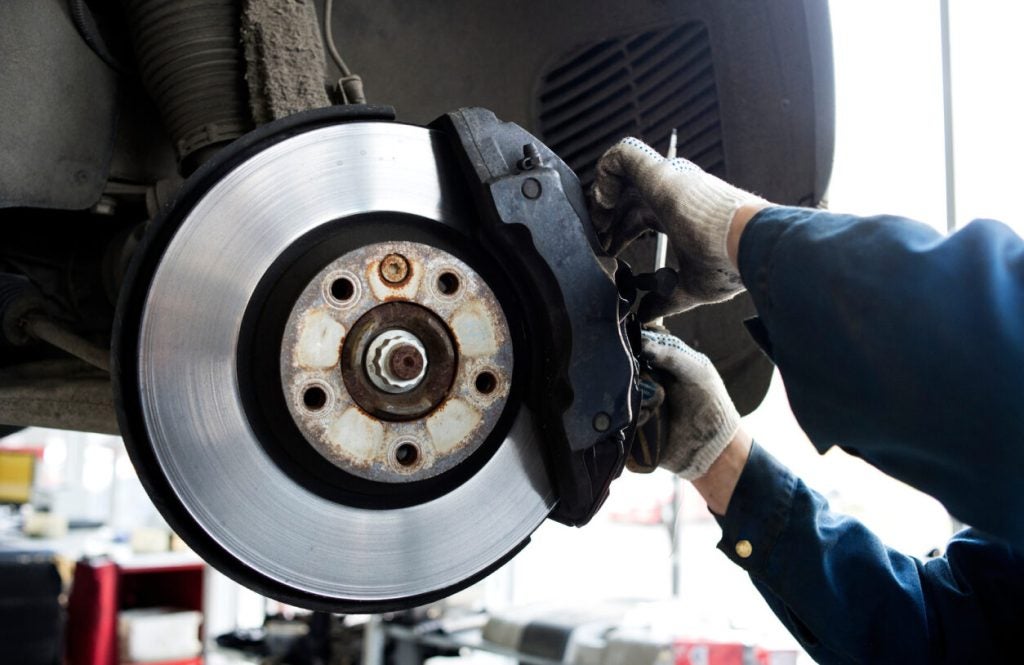
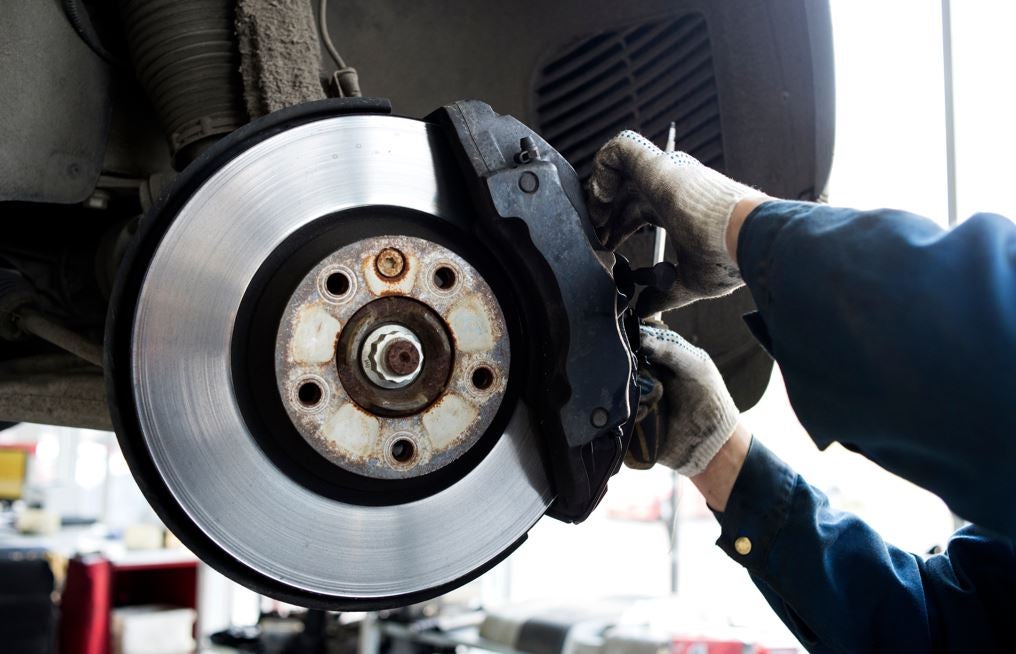
Exposed vehicle brakes and an auto repair technician is working on them.

Understanding the Essentials of Brake Maintenance For Your Toyota

While out on the road, the condition of a car's brakes can sometimes mean the difference between life and death. For safety-conscious drivers, brakes are possibly the most important car part to maintain with care and diligence. Bearing this in mind, here's an outline of proper brake maintenance, including when to visit your local Toyota dealer for brake repairs or servicing. Book Biannual Brake Servicing at Your Toyota Dealer As with motor oil changes and tire rotations, brake servicing should be carried out at least twice a year. For thorough brake maintenance, the technician needs to raise your vehicle to remove the wheels and each brake component. With an expert eye, they can then inspect each rotor disc, brake pad, caliper, and brake line for signs of excessive wear or leaking brake fluid. They'll also check the brake fluid levels and top it up if required. more How Brake-Heavy Are Your Driving Condition? Some drivers put their vehicle's brakes through more usage than usual. If your daily driving conditions mean your foot is on the brake pedal a great deal, you might need to have your brakes serviced more frequently than most. Some examples of brake-heavy conditions are towing heavy trailers, carrying heavy loads, stopping and starting in busy urban traffic, and driving along mountainous roads with long downhill stretches. Do You Have Brake-Heavy Driving Habits? Some people have a brake-heavy driving style and tend to use the brake pedal excessively. These drivers often accelerate too much and then brake more to compensate rather than taking their foot off the gas and allowing gravity to slow their car down. If you find yourself riding the brakes a little too much, your brake pads and rotors are likely to need replacing more frequently. When you take your car in for regular brake servicing, the technician can let you know how much wear and tear you typically put your brakes, through. Watch Out for Signs That You Need Brake Repair The other side of the coin with brake maintenance is prompt responsiveness to signs of brake trouble. If you ever notice your brakes emitting a high-pitched squealing sound, for example, one of your brake pads may need replacing. Grinding noises might indicate the same issue, albeit more urgently. Other indications of brake problems include vibrations from damaged rotor discs and any unexpected loss of stopping power. And if your brakes ever feel spongy underfoot or you notice a puddle of light yellow transparent fluid under your car, you might have a brake fluid leak, which would need to be found and fixed immediately. Have your car's brakes serviced today at Coughlin Toyota in Heath, OH. At our welcoming full-service dealership, you can expect an outstanding customer experience, whatever your vehicle purchasing or servicing needs might be.

A vehicle owner walking towards their red Toyota SUV.

Mastering Maintenance: The Significance of Regular Toyota Service Check-ups

Toyotas are known for their reliability, but even the toughest cars need a bit of love to keep them running their best. Keeping up with regular Toyota maintenance is crucial to keep your vehicle cruising smoothly. The Benefits of Regular Toyota Maintenance Boosting Your Toyota's Lifespan Just like regular exercise keeps you in shape, regular maintenance keeps your Toyota on the road longer. Catching any problems early on and fixing them right away allows your car to run smoothly for the long haul. more Dodging Big Repair Bills Spotting small issues before they turn into big problems can also save you a ton of cash. Regular checkups mean you can nip potential headaches in the bud and keep your Toyota's running costs manageable. Safety First Beyond keeping your car purring, maintenance checks are also about making sure you're safe on the road. From brakes to tires, keeping everything in tip-top shape can help avoid any dangerous surprises. Keeping Performance Peppy Want your Toyota to keep that zippy feeling you love? Regular tune-ups help maintain that smooth, responsive drive that makes your car so much fun. Upping Your Resale Value If there comes a day when you and your Toyota part ways, a full maintenance history can increase its resale value. It's proof for potential buyers that your car was well cared for, making it a more attractive buy. Maintenance To Get at the Toyota Dealer Oil and Filter Swaps Changing your oil and filter regularly keeps your car healthy. Depending on how you drive and what model you have, you'll want to do this every 5,000 to 7,500 miles to keep your engine happy. Tire TLC Tires feeling a little deflated? Keeping them pumped to the right pressure not only saves on gas but makes for a smoother ride. And don't forget about rotating them every so often to get more mileage out of each set. Brake Checks Your brakes are pretty darn important, so giving them a once-over regularly ensures you can always stop on a dime. This includes checking pads, rotors, and fluid to keep everything responsive. Fluids Galore Your Toyota's got a thirst for various fluids to keep cool and run smoothly. From coolant to transmission fluid, keeping them topped up and fresh is key to a happy car. Battery Business No one likes being left stranded. A quick check of your battery's health and keeping those terminals clean can save you from surprise start-up woes. Air Filter Refresh Your Toyota appreciates clean air as much as you do. Swapping out clogged air filters can breathe new life into your engine and keep the air in your cabin fresh, too. Sticking to a regular maintenance schedule for your car ensures that it will keep up with you, mile after mile. Call Coughlin Toyota in Heath, OH to schedule your car's next checkup today.

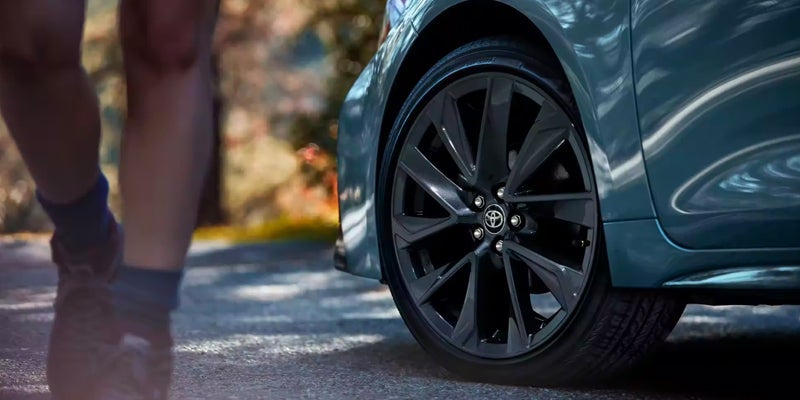
A close up on the front tires of a 2024 Toyota Corolla.

Does Your Toyota Need New Tires?

Whether you're behind the wheel of a rugged Tacoma, a family-friendly Highlander, or an eco-conscious Prius, keeping an eye on your tires is a crucial aspect of maintaining its performance. Tires are a critical component of your vehicle's safety system, so knowing when to head to the Toyota dealer for new tires is key. The Tread Depth Test The most reliable method to check if your tires need replacing is to measure their tread depth. An easy way to do this at home is to grab the nearest penny. Place the penny into the tire tread groove with Lincoln's head facing down. If you can see the top of his head, it means your tread depth is below 2/32 of an inch, and it's time for a new set of tires. Adequate tread depth is crucial for good traction, particularly when roads are wet. more Cracks in the Sidewall A visual inspection of your tire's sidewall can reveal a lot about its condition. Look for cracks, cuts, or grooves that are more than surface deep. These imperfections can indicate that your tire's rubber is breaking down and could lead to a leak or, even worse, a blowout. Bulges and Blisters As your tires age, the outer surface may weaken, leading to bulges or blisters that protrude from the tire. These weak spots can cause sudden tire failure and pose a serious safety risk. If you notice any of these abnormalities, it's best to replace the tire as soon as possible. Excessive Vibration You might notice some vibration while driving. This can be normal, especially on uneven roads. However, if the vibration seems excessive or it's unusual, it could be a sign of an issue with your tires. This could be anything from misalignment to internal tire damage, so it's wise to have them checked out. Frequent Loss of Tire Pressure If you're constantly having to inflate your tires, this could indicate a slow leak. While temperature changes can affect tire pressure, consistent loss of air may point to a puncture or valve issue instead. Maintaining proper tire pressure is crucial for your vehicle's handling. Why Visit Your Toyota Dealer for New Tires? Your local dealership is a fantastic resource when it's time for a fresh set of tires. Our technicians are experts in all things Toyota and can recommend the best tires for you based on your specific model and driving habits. Plus, we offer a range of quality tire brands and professional installation services. Keeping an eye on these signs and staying proactive about your Toyota's tire health can save you from unexpected issues to stay safer on the road. Remember, your tires are the foundation of your driving experience, so it's important to keep them in top shape. Call Coughlin Toyota to get your tires checked out today.

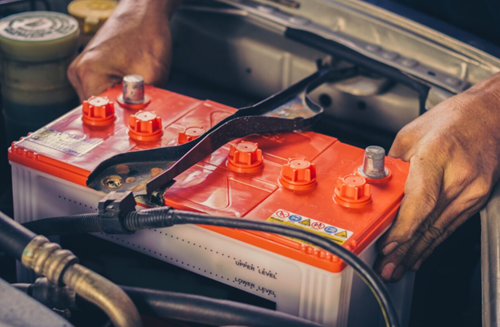
Vehicle battery.

Getting a New Car Battery for Your Toyota

Your Toyota is designed to be reliable, carrying you from point A to point B without a fuss. Like all vehicles, it relies on a trusty battery to start and run smoothly every day. So when the time comes to get a new car battery from the Toyota dealer, it's important to understand the process. Car Battery Basics A car battery provides the electrical current your Toyota needs to start the engine. It also powers the car's electronics when the engine isn't running. Typically, a car battery lasts between 3 to 5 years, but this can vary based on your climate and driving habits. It's a good practice to have your battery checked regularly once it hits the three-year mark. more Signs You May Need a New Car Battery Before a battery fails, it often shows some warning signs. Your check engine light might flicker on, and some modern Toyotas also have a battery light on the dashboard that signals when there's a battery or charging system issue. Here are some other signs that it's time to consider a replacement. Slow Engine Crank When your car's battery is failing, you might notice that the engine turns over more slowly than usual when you try to start it. Trouble Starting If you're having trouble getting your car to start, especially on cold mornings, it could mean your battery is on its way out. Swollen Battery Case A battery case can swell due to excessive heat exposure. This means your battery isn't working normally and can actually be a hazard, so if your case is swollen, the battery should be replaced immediately. Corrosion on the Battery Terminals If you see a white, powdery substance on your battery, that's corrosion. It can be a sign that your battery is getting too old and damaged and is not working properly. Frequent Jump Starts Have you needed to jump-start your car frequently? That's a clear sign that your battery is failing and is unable to hold a charge. Get a New Battery at Your Toyota Dealer At the dealership, you'll find batteries specifically designed for your vehicle model. Dealerships can also handle the installation and ensure that everything is working correctly with your car's computer system, making a trip to the dealer the best choice when it's time to replace your battery. Maintaining Your New Battery After installing your new battery, keep it in tip-top shape with simple maintenance. Keep the terminals clean to avoid corrosion, and if you don't drive your Toyota often, consider a battery maintainer to keep the battery fully charged. Getting a new battery for your Toyota can help it run smoothly and correctly for a long time to come, providing you with the reliable performance you've come to expect. Need help with your car battery? Visit Coughlin Toyota today!

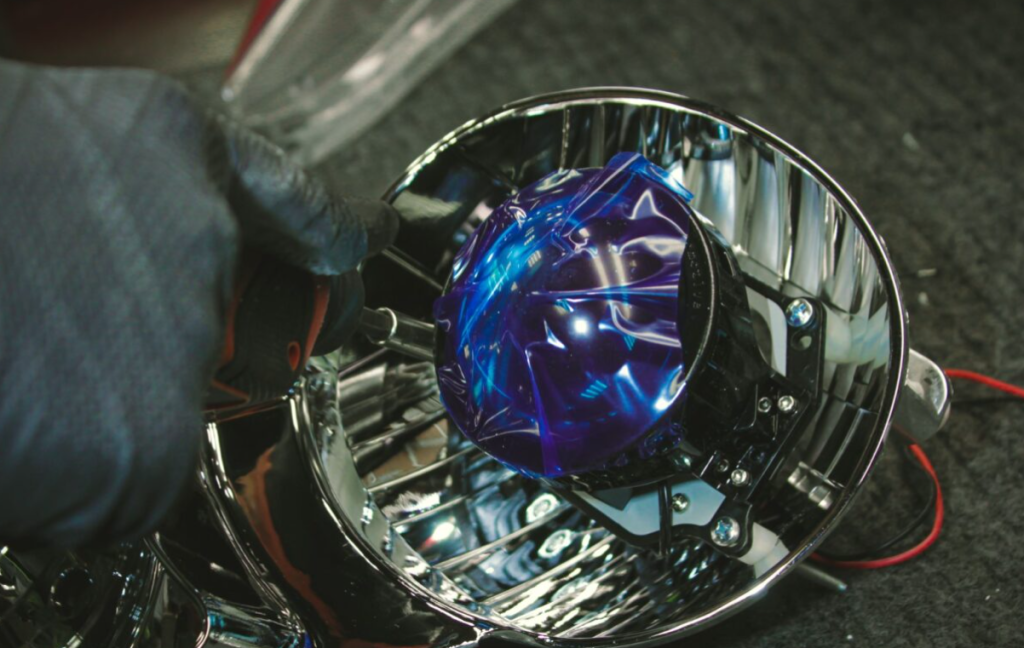
Vehicle headlights.

5 Signs Your Toyota Needs New Headlights

It's important to prioritize your safety on the road, and keeping your Toyota's headlights in good working condition is crucial. The last thing you need at night or in inclement weather conditions is not being able to see the road ahead. Look out for the following warning signs and get new headlights from Coughlin Toyota as soon as possible to avoid being left in the dark. 1. Your Headlights Are Dim Headlights could grow dimmer for various reasons, from dirty and scratched covers blocking the light to a weak battery or bulbs turning yellow with age. Inspect the headlight covers for damage or dirt and replace the bulbs. If your headlights still aren't as bright as they once were, it could be due to an internal problem, such as a wiring issue. Have your Toyota technician examine the headlights to determine what is causing the problem. more 2. Your Headlights Are Flickering If your headlights are flickering, this could indicate a worn or damaged bulb filament or a weak battery. Ignoring this warning sign can lead to bulb failure and leave you stranded in the dark while driving at night or in bad weather. Even if you have replaced the bulb and the flickering persists, there may be a bad connection. Don't put off this issue any longer – have your Toyota technician inspect your headlights and make necessary repairs for your safety. 3. Your High Beams Aren't Working Properly When the high beams are not functioning correctly, even if the low beams are working fine, it could be due to a blown fuse, faulty wiring, or a burned-out bulb. Change the bulb and check the fuses, and if the high beams are still not working properly, it's best to ask your Toyota technician to take a look. 4. A Headlight Bulb Is Out If one of your headlights is not working, chances are high that the bulb has burned out. Keep in mind that the other bulb may also be on the verge of failure because headlights are usually replaced in pairs to ensure the light is evenly distributed to increase visibility. When one bulb stops working, the other is soon to follow. 5. Your Headlights Won't Come On When your headlights fail to turn on, it could be due to a faulty headlight bulb or wiring issues with the headlight assembly. Generally, changing the headlight bulb solves this problem. If the issue still persists after replacing the bulb, ask your Toyota technician to examine the wiring, as it may require replacement. A small investment in your car's maintenance can go a long way in keeping you safe on the road. Call Coughlin Toyota today to schedule a maintenance service and headlight inspection and ensure your Toyota is in tip-top condition.

Engine leak.

3 Engine Problems You Should Always Fix at Coughlin Toyota in Heath, OH

The engine is the most complex and expensive part of your Toyota. This means that any engine problems need to be checked and fixed ASAP, as a problem in the engine will grow steadily worse and could potentially cause long-term engine damage. Fortunately, this doesn't have to happen, as your Toyota dealership can fix any engine problem for you. These are a few of the problems that we can repair. Oil Leaks Oil is continually pumped through your engine and both cleans and protects the engine as it works. Many engine components depend on friction to work effectively, and this friction could lead to damage. Engine oil coats these components with a protective film to prevent friction damage. The fast-moving oil also helps to reduce the heat generated by many engine components. The most common cause of an oil leak is worn or damaged seals. An oil leak will cause the engine temperature to rise as the oil's cooling effect is steadily lost. In addition, many engine components will be damaged by friction. We can easily trace an oil leak and repair it: then we'll refill your engine with fresh oil. more Damaged Sensors Sensors act as the eyes and ears of your Toyota's computer. These sensors continually feed information to the computer, which allows the computer to make decisions. Sensors can become damaged due to problems in the engine, and they can also fail due to age or electrical supply issues. Failed sensors will transmit little or no information to your computer. The lack of information caused by a damaged sensor will lead to additional problems or damage. A failed oxygen sensor, for example, won't supply your computer with the correct percentage of air in the engine. Air is vital for your engine, as efficient combustion requires a precise air-fuel ratio. Insufficient air in the engine can damage the spark plugs, ignition coils, and the catalytic converter. Our technicians will identify any failed sensors and replace them. Check Engine Light Your dash panel has numerous warning lights that give you an early heads-up if a system has a problem. The most important of these warning lights is the check engine light which lights up in response to any issue affecting your engine. Unlike most other warning lights like the ABS or the low oil light, the check engine light doesn't identify the specific cause of the problem. If your engine light illuminates, we advise visiting our service department ASAP. Our technicians will connect your car's computer to our diagnostic system, and they will quickly identify the source of trouble. Once we know what's wrong, we will fix the problem. Problems in an engine are usually easy and inexpensive to repair if they're detected when they first start. Call us today at Coughlin Toyota.

A technician working on brakes.

Does Your Toyota Need a Brake Repair?

When you're driving, you need to be able to control your speed at any time. If your brakes aren't working as well as they should, this can make any journey a nerve-wracking experience. Fortunately, when you need a brake repair in Heath, OH, Your Toyota dealer can fix the problem for you. These are some of the signs of brake issues: Soft Brake Pedal When you step on the brake pedal, you expect to feel resistance. As your press harder on the pedal, the resistance increases. The resistance is caused by the pressurized brake fluid. Your braking system is pressurized as this provides the force to slow and stop a vehicle weighing approximately 4,000lbs that is moving at speed. If you feel a slight resistance from the pedal, this is known as a soft pedal, and it's a sign of a problem. A lack of pressure means that you could have a brake fluid leak, or there might be an air bubble in the braking system. Both of these situations reduce the system pressure. Our technicians will find the cause of the problem and fix it for you. more Hard Brake Pedal This is the opposite situation of a soft pedal. In this case, when you step on the pedal, it will barely move, regardless of how much pressure you exert. This problem is due to damage to the brake pedal booster. As we've seen, your brakes are pressurized to stop the weight of your car. The brake pedal booster uses a vacuum system to generate 10x normal human strength. If your booster has been damaged, the vacuum system is compromised. Without the vacuum, the booster won't work, and your brake pedal will barely move. We can examine the booster and replace it to fix this problem. Your Car Takes Longer To Stop When you hit the brakes, you expect your braking system to respond almost immediately and stop your car. If your car is taking longer to stop than it should, this is a sign of a braking problem. Delayed braking is dangerous, as any delay can mean the difference between preventing an accident and becoming part of an accident. One of the possible causes of this delay is worn brake pads. Brake pads have a friction material covering that's 1/2" thick. This material generates friction against the rotors that bring your car to a stop. The material gradually wears off, and your braking response becomes slightly longer. Other possible causes include damaged calipers, a brake fluid leak, or a damaged master cylinder. Our technicians will investigate and repair the problem. Worn or damaged brakes can place you in danger. If your brakes aren't working as well as they should, call us immediately at Coughlin Toyota.

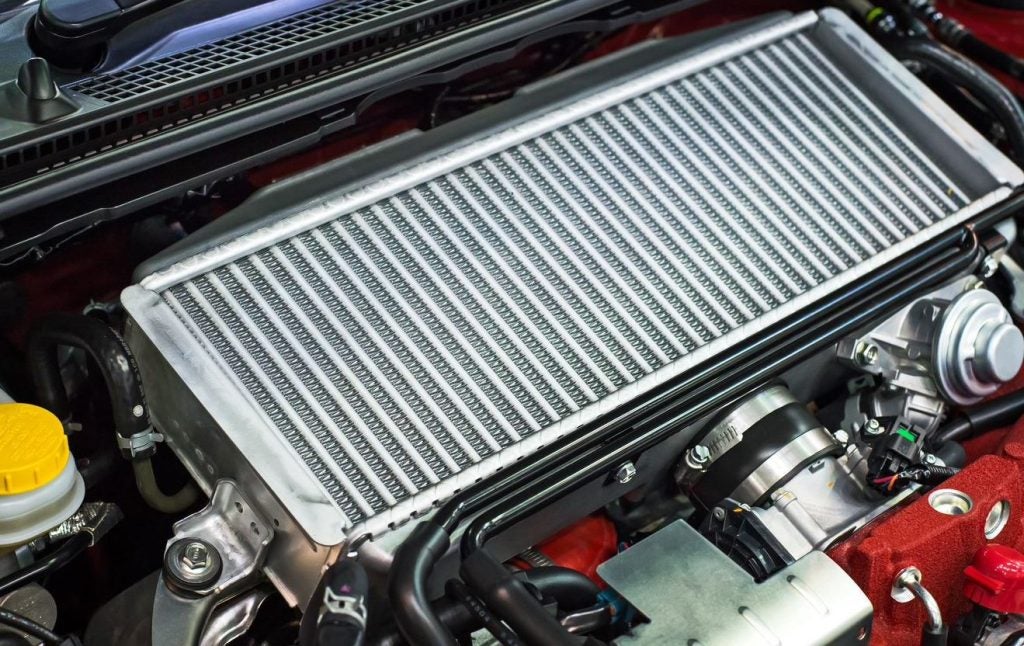
An up-close image of a vehicle radiator.

Does Your Toyota Need a Radiator Repair?

The coolant that controls your engine's temperature relies on the radiator to keep it cold. Without a fully functioning radiator, your engine will rapidly overheat and run into all sorts of costly problems. Fortunately, radiators usually last a good ten years. But if you notice any of the following signs of trouble, visit your local Toyota dealer for radiator repair before the problems spread to your engine. Your Engine's Overheating The most urgent indication of a malfunctioning radiator is an overheating engine. As soon as things begin to heat up, you'll see the temperature gauge on your dashboard shoot up. An additional warning light that looks like a little thermometer will also come to life. Another sign of overheating is knocking sounds as the mechanical engine parts start to struggle. You might smell something burning and your hood will become hot to the touch. If the temperature passes 230 degrees, the water component of the coolant will begin to boil, and you'll see steam escaping from under your hood. It's wise to pull over at the first sign of overheating before a gasket blows or the engine seizes up. more Your Radiator's Rusting When inspecting your radiator, look for signs of rust or other corrosion. This is more commonly a problem in colder conditions and also in wet, humid climates. When a car is left unused for long periods, you should also check for rust more often. Rust usually makes its first appearance around the radiator's cap or connections. If you find minor rusting, you can usually clean it with WD-40 or another effective rust remover. But deeper rusting will have compromised the structure of the radiator and might lead to leaking coolant. You'll probably need to have the radiator replaced. Your Coolant's Discolored Radiators can rust from the inside as well if aging coolant loses its anti-rust properties. Internal rust will reduce the coolant's ability to lower the engine's temperature and will eventually cause a radiator leak. When checking your radiator, take a look at your coolant reservoir. Coolant is usually a bright, clean color, such as red, blue, green, pink, orange, or yellow. If your coolant has faded to a rusty brown, it's likely that your radiator is rusting from the inside. Your Coolant's Leaking Coolant needs to be kept at a suitable level to serve its purpose. When a car's cooling system springs a leak, the leak most often originates around the radiator or radiator hoses. In the event of a leak, you'll usually see a brightly colored fluid puddling on the ground under the front of your car. Visit Your Toyota Dealer for Radiator Inspection As with most potential car issues, prevention is better than cure. If you have your radiator inspected once a year, you're unlikely to be surprised by a problem. Also, follow your owner's manual for the recommended frequency of coolant flushing. Most drivers have their coolant refreshed every 30,000 miles or so. Have your radiator examined and repaired today by experienced technicians at Coughlin Toyota. We're an award-winning local dealership dedicated to providing top-notch customer service.

Contact Us

Fill out this form below and we'll contact you shortly
*Required Fields